
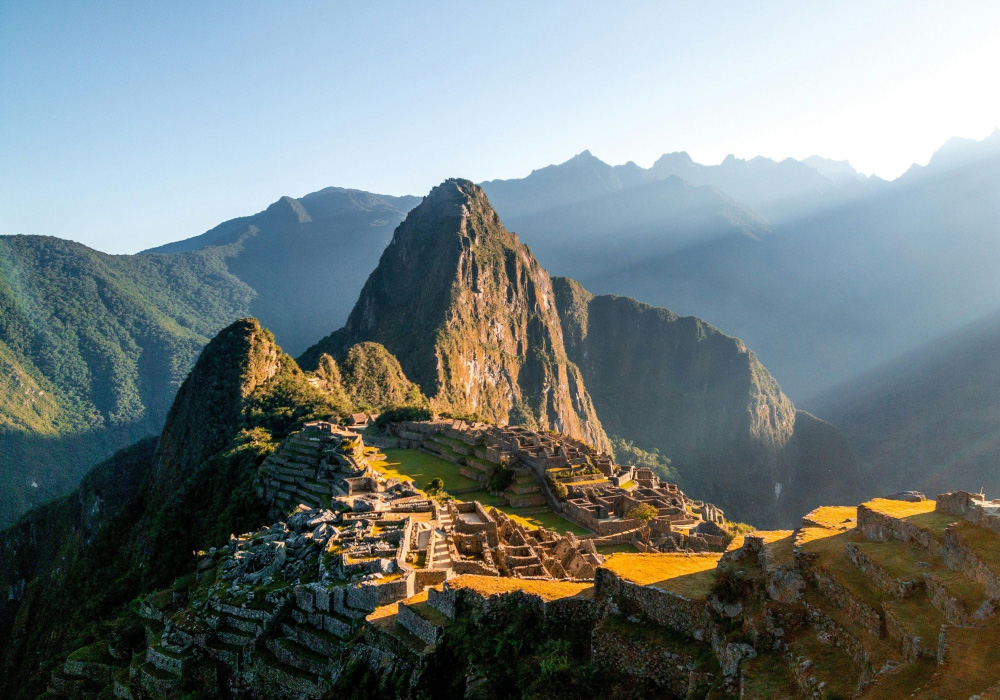
Walk one of the world’s most legendary trekking routes, following original Inca stone paths through high mountain passes and ancient ruins. This four-day guided journey culminates in a sunrise arrival at Machu Picchu via the Sun Gate, blending physical challenge with deep cultural immersion.
Few journeys carry the same weight of history, physical challenge, and emotional payoff as the classic Inca Trail. This four-day trek, operated by G Adventures, follows original stone pathways through the Andes, linking cloud forest, alpine passes, and sacred archaeological sites before culminating at Machu Picchu. Designed for travellers who want an immersive, well-supported trekking experience, the route balances demanding hiking days with expert guiding, porters, and thoughtfully planned camps.
The journey begins in Cusco, where altitude acclimatization and cultural context set the tone for what lies ahead. From there, the trail unfolds gradually, allowing hikers to settle into the rhythm of long days on foot while absorbing the scale and complexity of the Andes.
Why this trek stands apart
Walking the Inca Trail is as much about the route as it is about the layering of experiences along the way. Rather than approaching Machu Picchu by road or rail, hikers earn their arrival step by step, tracing the same corridors used by Inca messengers, pilgrims, and builders centuries ago.
Before breaking the journey into practical details, it is worth understanding what defines this trek as one of the world’s most iconic multi-day hikes:
- Original Inca stone paths that remain remarkably intact
- High-altitude mountain passes, including the demanding Dead Woman’s Pass at 4,215 metres
- A sequence of archaeological sites rarely seen by day visitors
- A ceremonial approach to Machu Picchu through the Sun Gate at dawn
This combination of physical exertion, cultural depth, and dramatic landscapes gives the trail its enduring reputation.
The four-day journey at a glance
Each day on the trail reveals a different character, shifting from river valleys to exposed passes and misty forest. Distances are manageable for active travellers, but the elevation and terrain require preparation and steady pacing.
- Day one eases hikers into the trek with rolling terrain and the first ruins, allowing time to adjust to altitude and trail conditions.
- Day two delivers the physical and emotional peak, climbing steadily to Dead Woman’s Pass before descending to camp.
- Day three is often considered the most scenic, weaving through cloud forest and passing several significant archaeological complexes.
- Day four brings an early start and the long-anticipated arrival at Machu Picchu via the Sun Gate, timed for sunrise when conditions allow.
Support staff manage camps, meals, and logistics throughout, allowing hikers to focus fully on the trail itself.
What’s included on the trail
This trek is structured to remove logistical friction while preserving the rawness of the experience. Camping equipment, most meals, porters, and permits are arranged in advance, a crucial advantage on a tightly regulated route like the Inca Trail.
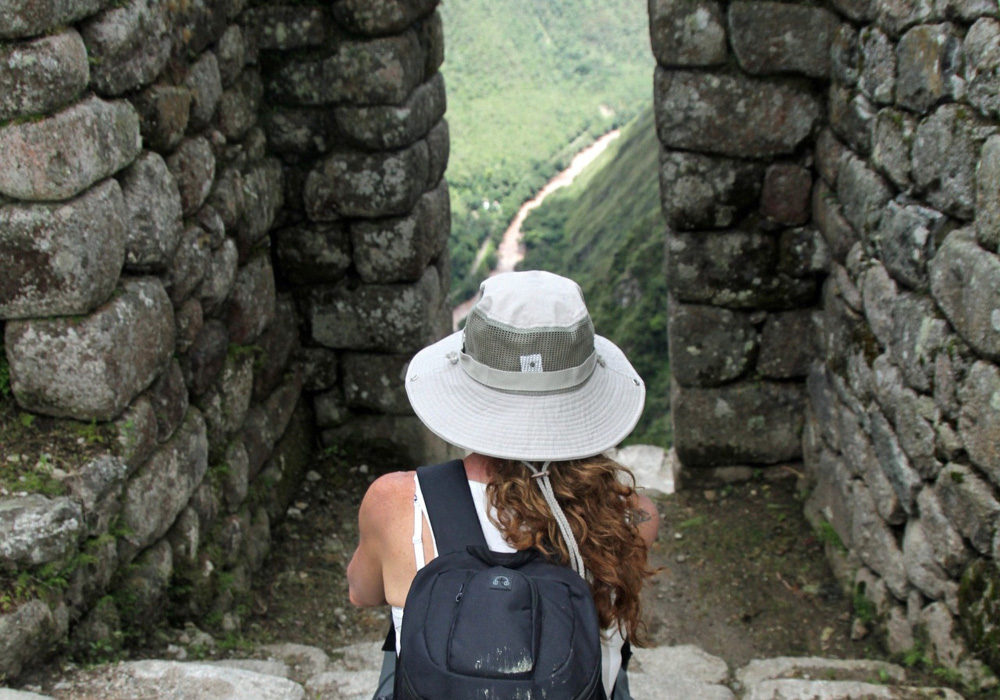
Key inclusions typically cover:
- Licensed local guides with deep historical and environmental knowledge
- Porters who carry shared equipment and set up camp
- Freshly prepared meals suited to high-altitude trekking
- Inca Trail permits and entrance to Machu Picchu
This level of organization is especially valuable given the strict permit limits enforced to protect the trail.
Physical preparation and expectations
While no technical climbing is involved, the Inca Trail demands endurance, balance, and mental resilience. Long ascents, uneven stone steps, and altitude effects are part of the experience.
Prospective hikers benefit from:
- Consistent cardiovascular training prior to departure
- Experience with multi-day hiking, even at lower elevations
- Allowing time in Cusco for acclimatization
- A willingness to adapt pace and expectations to conditions
Approached with respect for the terrain, the challenge becomes part of the reward.
The final arrival
Reaching Machu Picchu on foot, after days of sustained effort, reframes the site entirely. Passing through the Sun Gate as the citadel emerges from the mist creates a sense of continuity between the trail and its destination. It feels earned, grounded, and deeply human.
This four-day Inca Trail trek offers a rare alignment of landscape, history, and movement. For travellers seeking a meaningful way to encounter one of the world’s great archaeological sites, it remains an experience that resonates long after the boots come off.
Ready to walk one of the world’s most storied trails?
Explore availability and secure permits early through this guided Inca Trail experience with G Adventures, and take the long way to Machu Picchu.
Comments powered by CComment