
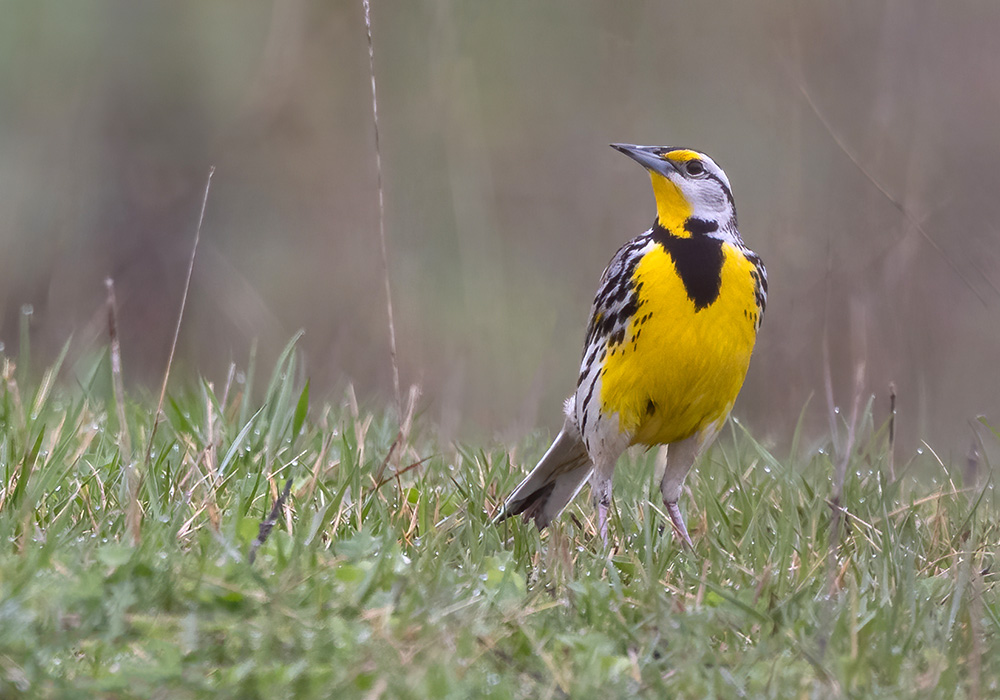
A new report by Ontario Nature, released on World Biodiversity Day, confirms that the Ontario Greenbelt now shelters 121 species at risk, a 68% increase since 2004. Spanning over 800,000 hectares around the Greater Golden Horseshoe, the Greenbelt has become a critical refuge for 42% of Ontario's at-risk wildlife. But with habitat fragmentation and pollution threatening many species, conservationists are calling for stronger protections and expanded boundaries.
There's a number buried in a new report from Ontario Nature that deserves more attention than it's likely to get. Since the Ontario Greenbelt was established in 2005, the number of species at risk living within its boundaries has grown from 72 to 121. That's a 68% increase over two decades, a figure that outpaces provincial biodiversity trends by a considerable margin and tells us something important about what protected land actually does when it's allowed to function.
The report, Species at Risk in the Greenbelt: Successes, Challenges and Opportunities, was released on May 22, 2026, to coincide with World Biodiversity Day. The timing is deliberate. Biodiversity Day is a global moment of reflection on the variety of life that shares our planet, and Ontario Nature used it to draw attention to one of the province's most consequential conservation assets, a green corridor stretching 325 kilometres from the eastern end of the Oak Ridges Moraine near Rice Lake all the way west to the Niagara River.
What 800,000 hectares of protection actually means
The Greenbelt covers more than 800,000 hectares (roughly 8,000 square kilometres) and was designed to promote smarter, denser urban growth while protecting farmland, forests and other natural areas from the pressures of sprawl. Within that boundary sit approximately 292,000 hectares of protected wetlands, grasslands and forests. For context, the Greenbelt is larger than Prince Edward Island and encircles one of the fastest-growing urban corridors in North America.
What the Ontario Nature report makes clear is that this land isn't passive green space. It's actively sustaining life. The 121 at-risk species now documented within the Greenbelt represent 42% of Ontario's total species at risk, a remarkable concentration of vulnerable wildlife within a relatively bounded region. The list spans the full range of taxonomic diversity:
- Rare birds, including the hooded warbler
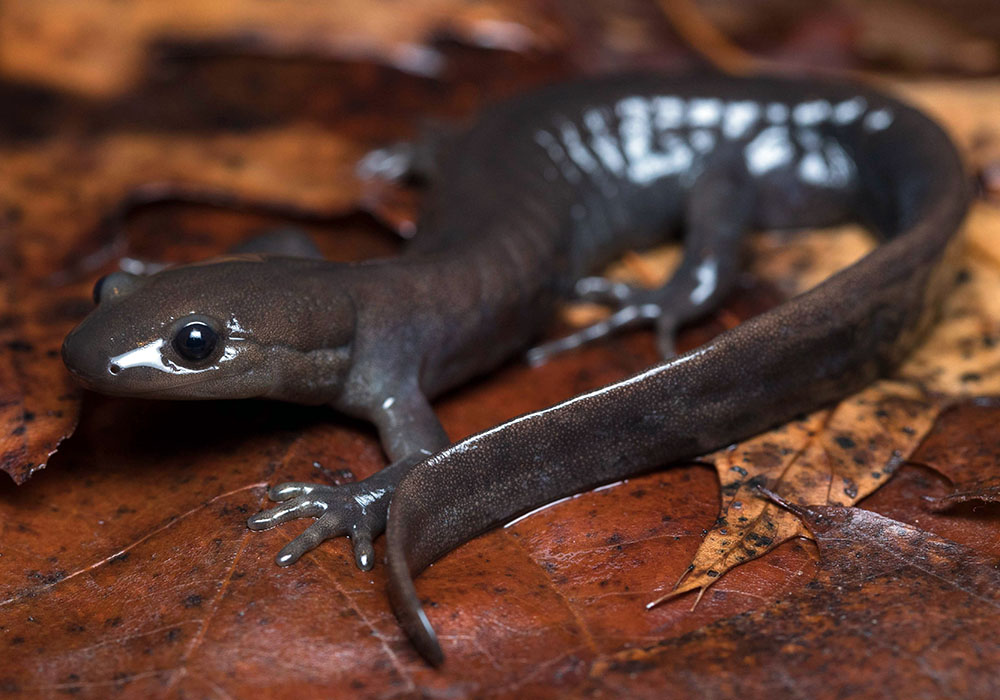
- Reptiles and amphibians such as the Jefferson salamander
- Fish, including the redside dace
- Mammals, insects and plant species under provincial protection
Wins worth noting, and challenges that remain
The hooded warbler is one of the report's more encouraging stories. This small, striking songbird has shown measurable signs of recovery in areas where habitat has been preserved and coordinated conservation efforts have taken hold. It's proof that the Greenbelt model works, at least when conditions align.
Other species aren't faring as well. The redside dace and the Jefferson salamander are both struggling. Habitat fragmentation, the breaking up of continuous natural areas by roads, development and other infrastructure, is disrupting the breeding and feeding patterns these species depend on. Pollution, particularly in waterways and wetlands, compounds the problem. These aren't abstract ecological pressures; they translate directly into population decline for species that have already lost ground elsewhere in southern Ontario.
"The Greenbelt shows us what's possible when nature is given space to breathe," said Jenna Quinn, Ontario Nature's Acting Conservation Science and Stewardship Director. "But we can't expect it to do all the work on its own. Species at risk need action to ensure their recovery."
Tony Morris, Ontario Nature's Conservation Policy and Campaigns Director, put it plainly: "Greenbelt forests, wetlands and rivers are vital strongholds for many species that have lost habitats elsewhere in southern Ontario."
The human case for protecting wildlife habitat
It's easy to frame species-at-risk conservation as a purely ecological concern, something that matters to scientists and wildlife advocates but sits at the margins of everyday life. That framing misses the point. The habitats that sustain the hooded warbler, the redside dace and the Jefferson salamander are the same habitats that filter the air, keep waterways clean and buffer communities against flooding.
Wetlands don't just shelter amphibians; they absorb stormwater that would otherwise overwhelm urban drainage systems. Riparian corridors that support fish populations also protect the integrity of watersheds for millions of people downstream. The Greenbelt's ecological and human values are inseparable, which is precisely why the report frames its findings not just as a conservation concern but as a matter of public health and long-term resilience.
Twenty years in, and the work isn't done
The Greenbelt celebrated its 20th anniversary in 2025. Two decades is long enough to assess what the legislation has achieved and where it continues to fall short. The 68% rise in documented species at risk is, in one sense, a success: better monitoring, improved habitat conditions and coordinated stewardship have made the Greenbelt more hospitable to vulnerable species over time. In another sense, it reflects the pressure these species face everywhere else, as the Greenbelt has become a refuge precisely because so many other habitats in southern Ontario have been degraded or lost.
That context matters for how we think about the report's recommendations. Protecting the current boundary is necessary but not sufficient. Fragmented habitats on the edges of the Greenbelt, combined with pollution moving through shared waterways, mean that threats don't respect legal boundaries. Conservation gains inside the Greenbelt can be undermined by conditions just outside it.
A corridor worth defending
The Ontario Nature report lands at a moment when the political stakes around the Greenbelt remain high. The land has faced pressure from proposed boundary changes and development interests over the past several years, and those debates are far from settled. What the new data contributes to that conversation is a clearer picture of what's actually at stake, not just in principle, but in species, populations and ecological processes that took generations to establish and cannot be quickly rebuilt once lost.
For anyone who spends time in the outdoors, tracks wildlife or simply values the idea of a functional natural landscape within reach of one of Canada's largest cities, the Greenbelt matters in tangible ways. The forests, rivers and wetlands that run through it support the kind of biodiversity that makes southern Ontario something other than a continuous urban footprint.
The window is open; the question is whether we'll use it
The report's message is direct: the Greenbelt works, the evidence is there, and the window to strengthen it is open. Whether that window stays open depends on decisions being made now, about land use, pollution, habitat connectivity and the political will to treat conservation as a long-term public good rather than a short-term trade-off.
Protecting 121 species at risk is a beginning. Keeping that number moving in the right direction is the harder, longer work.